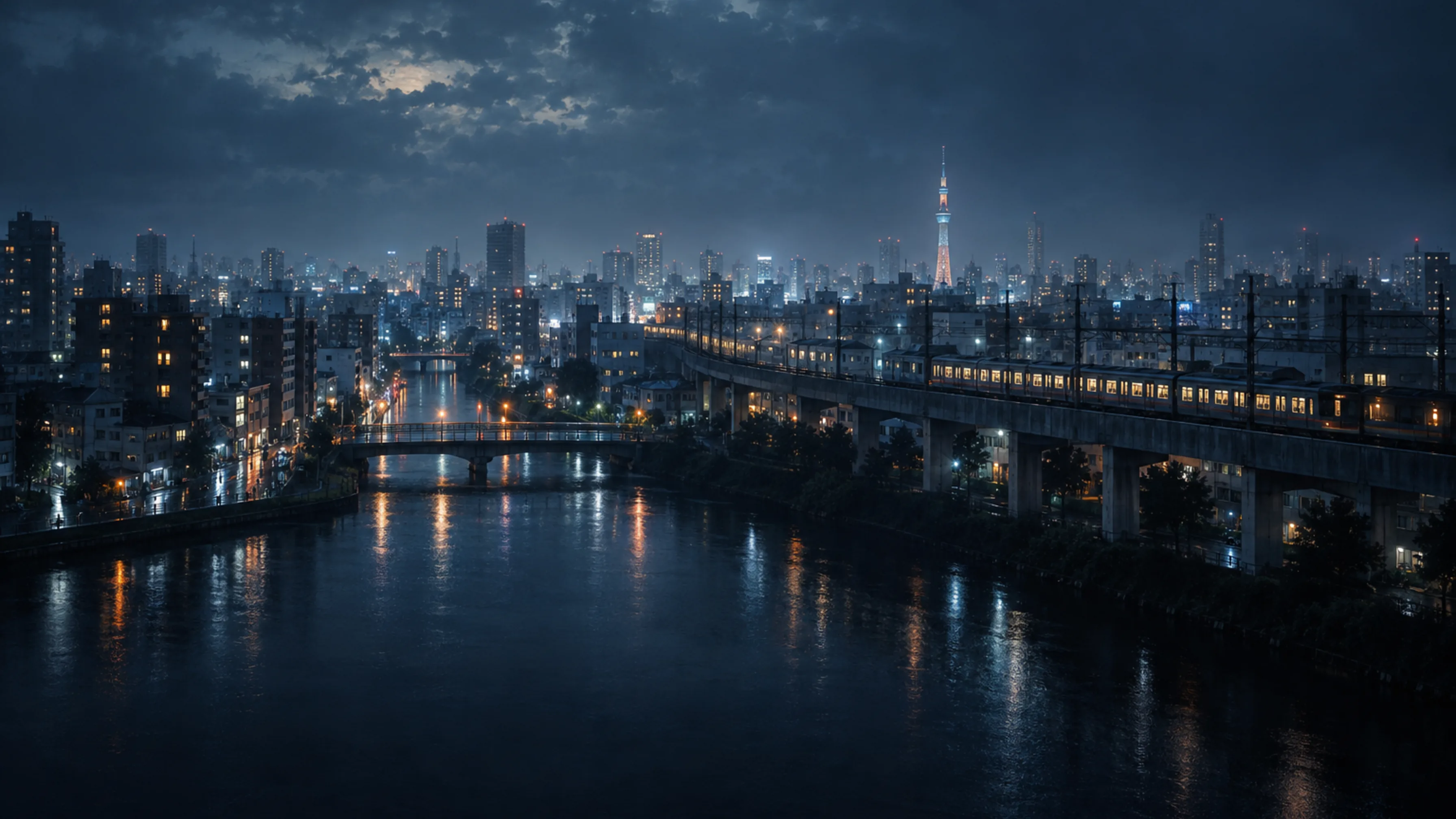
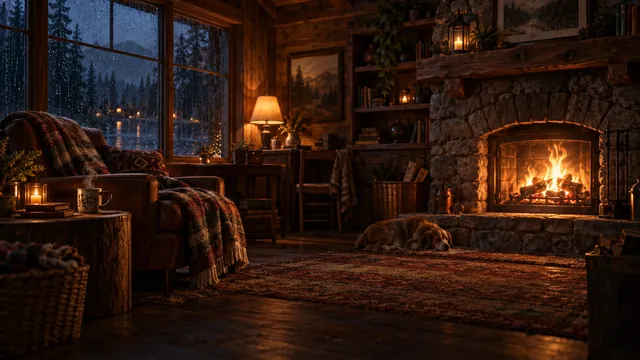
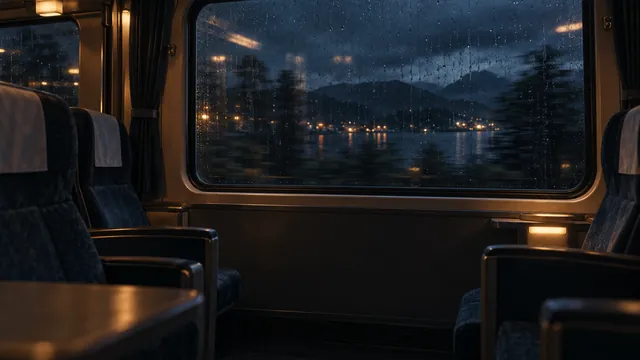

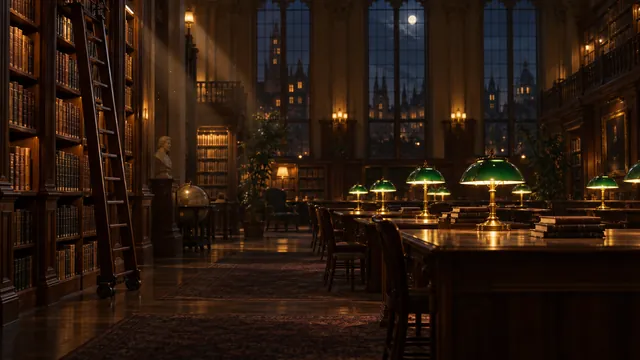

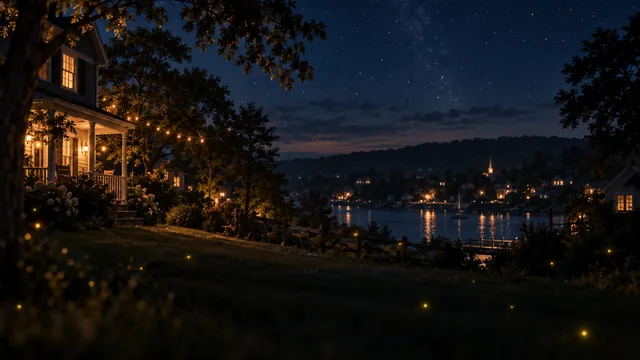
Writing lives or dies on flow, and flow is fragile. A consistent writing atmosphere gives you a private, low-distraction space, the sound equivalent of closing the door, so you can hear your own sentences and keep momentum.
A room of your own, made of sound
Many writers describe needing a small, closed-in feeling to work: late-night quiet, rain on glass, a train's rhythm. That envelope reduces the pull of the outside world and makes it easier to stay with the draft rather than the inbox. This part is craft and preference more than laboratory science, use whatever reliably gets you writing.
Careful with lyrics
Writing is intensely verbal, so lyrics are especially disruptive here, you can end up typing the song. Studies consistently show lyrical music impairs verbal tasks where instrumental music doesn't, so instrumental, ambient or pure rain keeps the language channel clear for your own words.
How to use it
- Late Night Writing and Night Train suit long drafting sessions.
- Add a soft keyboard layer for a subtle sense of momentum.
- Use a timer as a gentle sprint, write until it fades out.
Frequently asked questions
What is the best music for writing?+
Instrumental and atmospheric: ambient, lo-fi, cinematic, or just rain and a quiet city. Because writing is so verbal, avoid lyrics. Try Late Night Writing or Night Train and keep it low.
Does background noise help with writing?+
A steady, low background often helps by masking interruptions and creating a sense of enclosed, private space. The key is consistency, pick one atmosphere and let it become the backdrop for the whole session.